How We Build Your Low-Stock Alerts Workflow
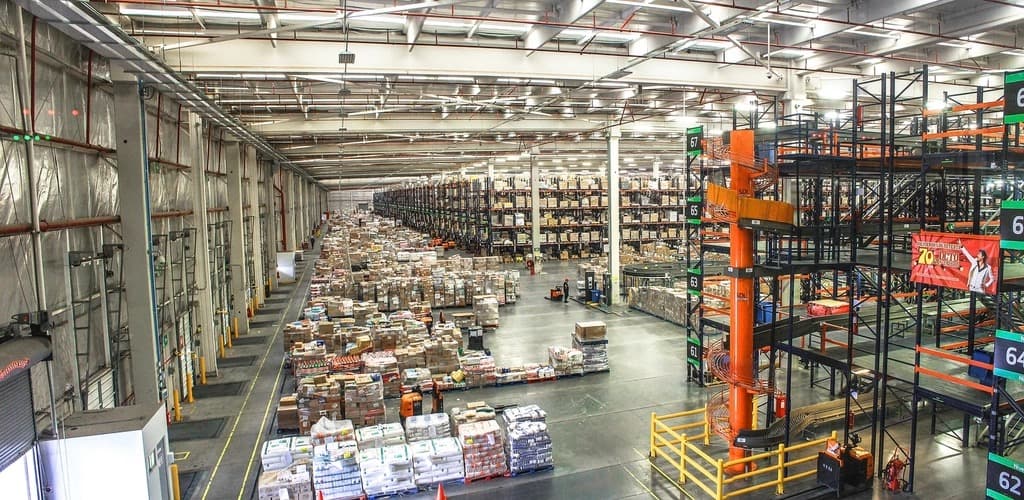
A low-stock-alert automation watches the on-hand quantity of every SKU across your channels and pings you the moment an item drops below its reorder point, on Slack, WhatsApp, email, or Teams, before the shelf actually empties. Instead of discovering a bestseller is out of stock when a customer complains, you get a heads-up while there is still time to act, and for regular items the system can auto-draft a purchase order to the supplier so reordering is a click, not a scramble.
Two expensive failures hide behind the same blind spot: stockouts and overselling. A stockout is lost sales and a shopper who buys from a competitor; overselling, common when the same stock is sold on your website, Amazon, and a physical counter, means cancelling orders and burning trust. By centralizing stock levels and reacting to thresholds automatically, you stop finding out too late. The alert is early, the reorder is teed up, and the count that every channel reads from stays honest.
The main choice on this build is how far past the alert you want to go. The lightest version simply watches thresholds and pings you, which runs comfortably on a no-code stack wired to your store, POS or ERP wherever the master count lives. A step up drafts the reorder itself, which means teaching the system your velocity, lead times and supplier MOQs. The most demanding version keeps one shared count synced across every channel to stop overselling outright, and that is where appsy.one drops in a custom layer, because near-real-time multi-channel stock is the part no-code syncers do slowly and badly.
Low-Stock Alerts: Custom-Built vs No-Code DIY
When a quick no-code recipe is the smart call — and when a custom build you own pays off.
Apps & Systems We Connect
Your store, marketplaces and the everyday tools your business already runs on.

Low-Stock Alerts Automation — Questions Businesses Ask
Common questions about our low-stock alerts automation solutions.
More Popular Automations
Every repetitive workflow is a candidate — here are more we build.